Semester
15 Weeks
18 Credits
Fall 2026
Aug 31 - Dec 10
Open
Spring 2027
Jan 25 - May 6
Open
Program Costs
- Tuition
- Room & Board
- Total
Application Deadlines
Fall 2026
May 1, 2026
Spring 2027
November 1, 2026
Resources
Semester Program
Freshwater and Forest Ecosystems
Siem Reap,
Cambodia
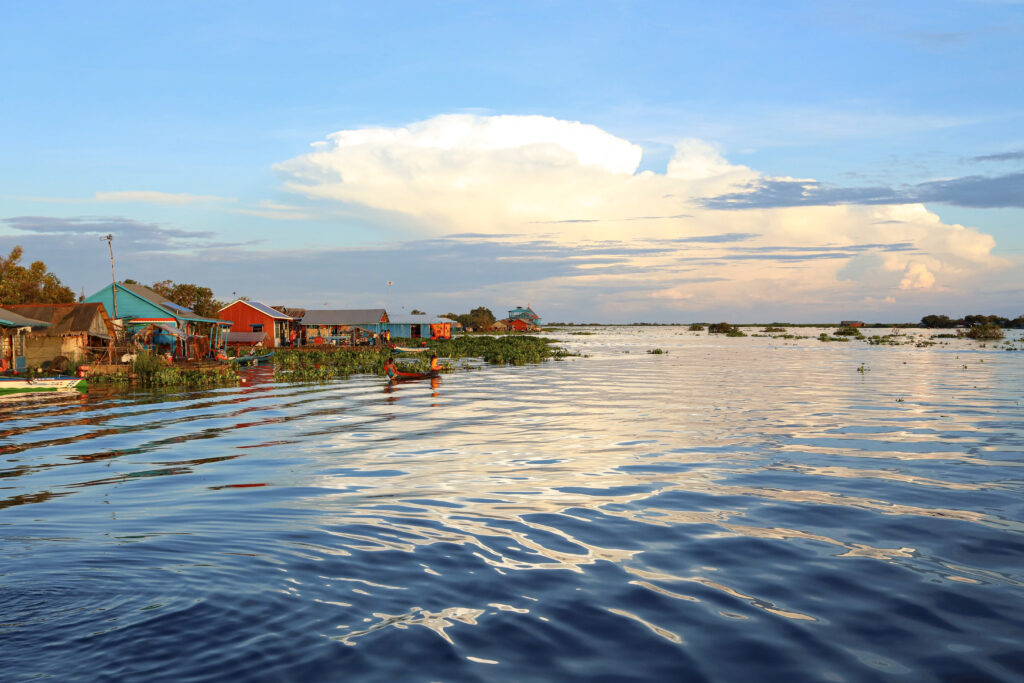
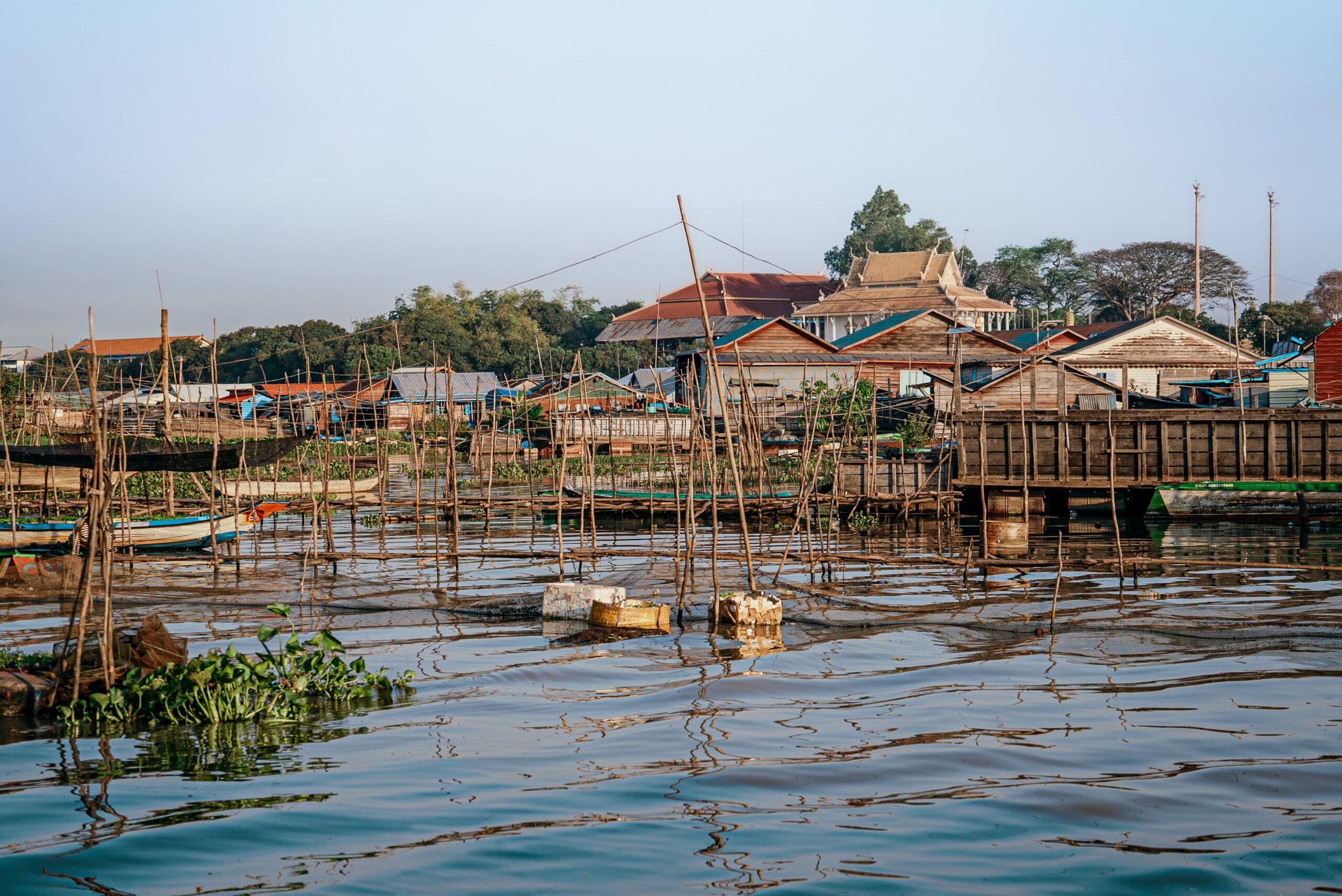
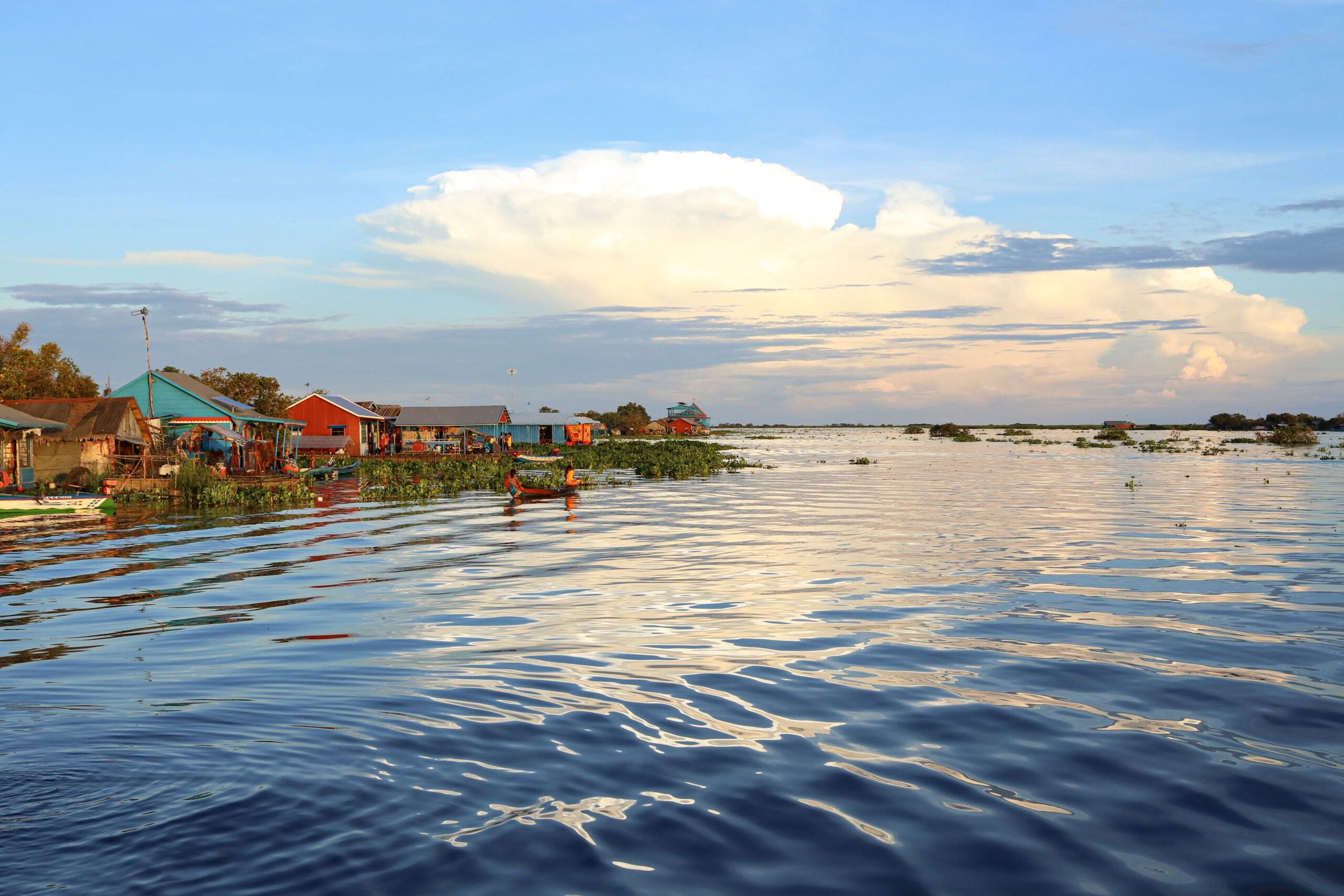
Trace Cambodia’s freshwater network from the swift channels of the Mekong to the flooded forests where rising waters transform entire landscapes. Follow the pulse of a river system that ties ecology to culture as you move through wetlands, chart tributaries, and track the seasonal migrations of fish that feed millions. Spend time in upland communities observing elephants and gibbons in evergreen forests, then step into the energy of Phnom Penh, a capital shaped by water, history, and rapid change. Students measure water quality, trace patterns of habitat change, and collaborate with communities navigating the realities of a changing climate. Each week builds toward Directed Research, where your findings contribute to strategies for protecting Cambodia’s living waters in a changing world.
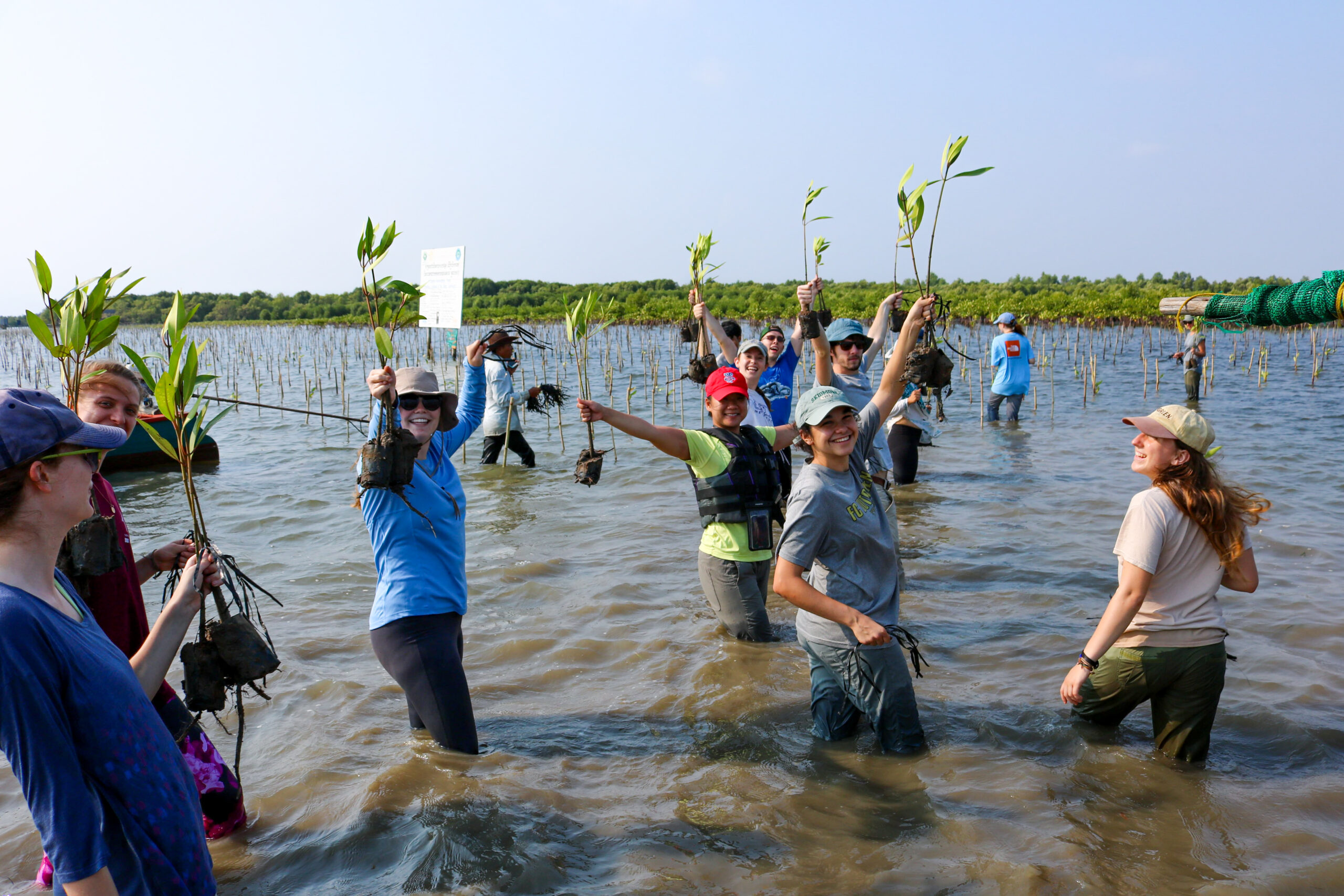
- Map freshwater and forest dynamics through GIS, field surveys, and community-based data collection spanning farms, floodplains, and upland springs.
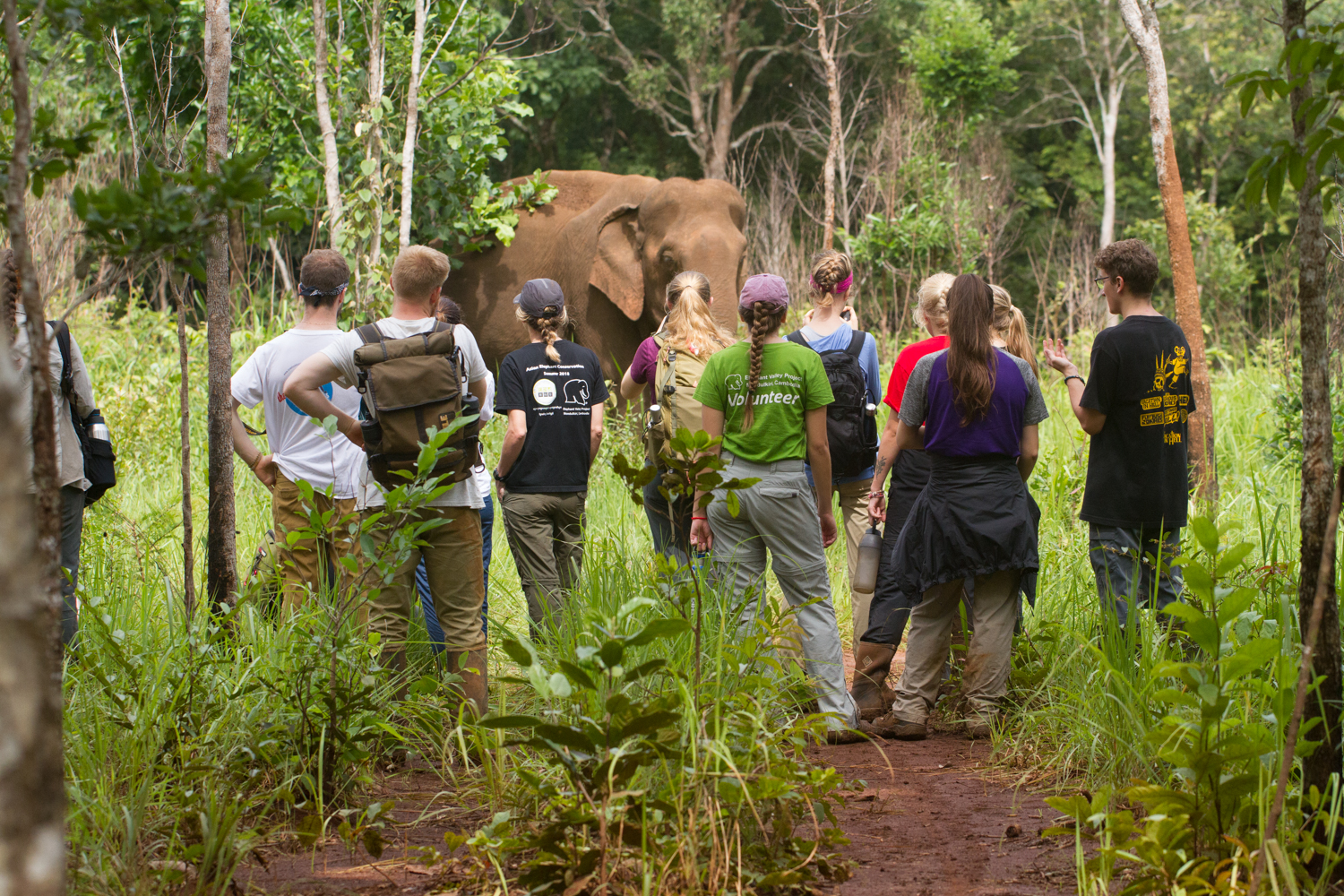
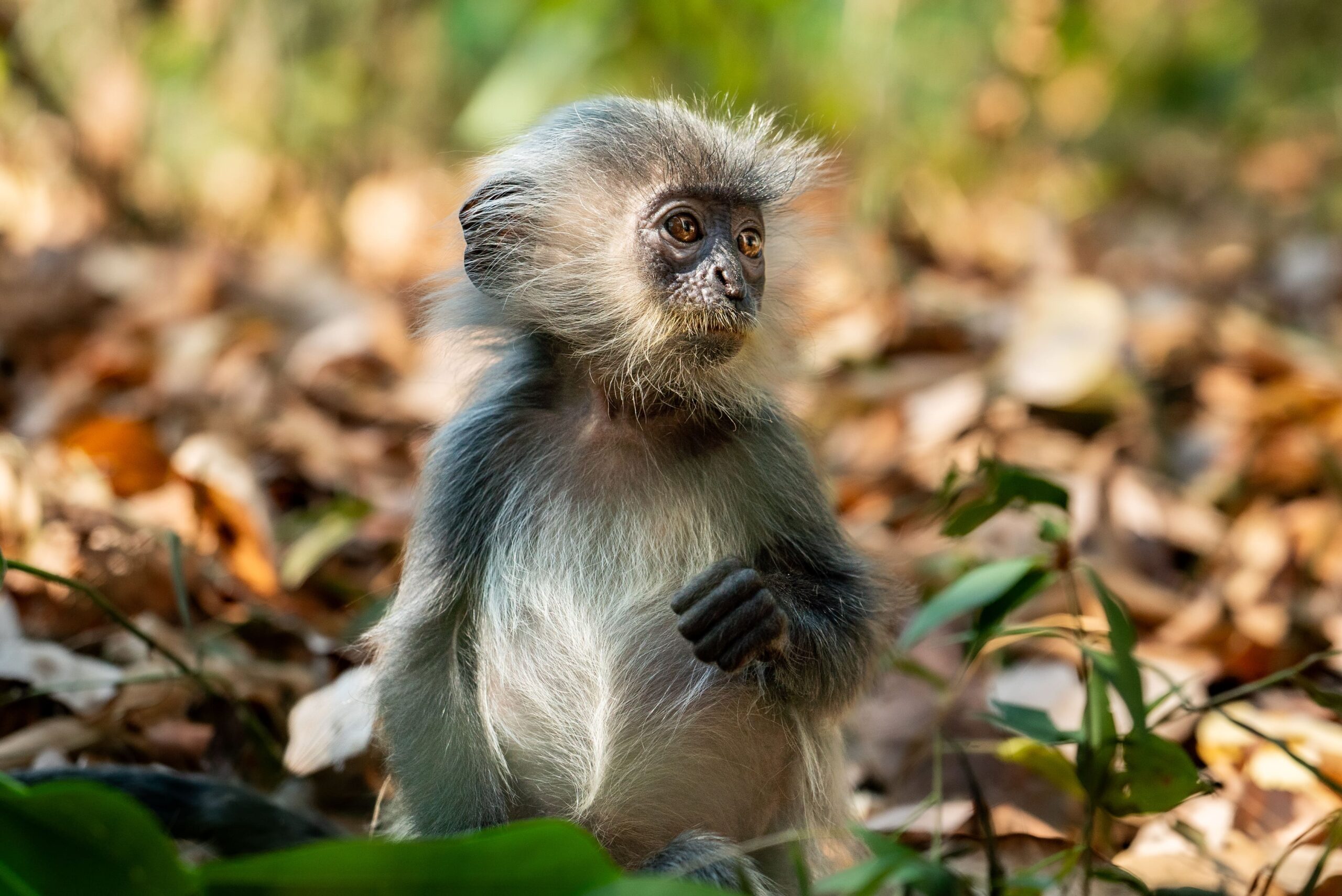
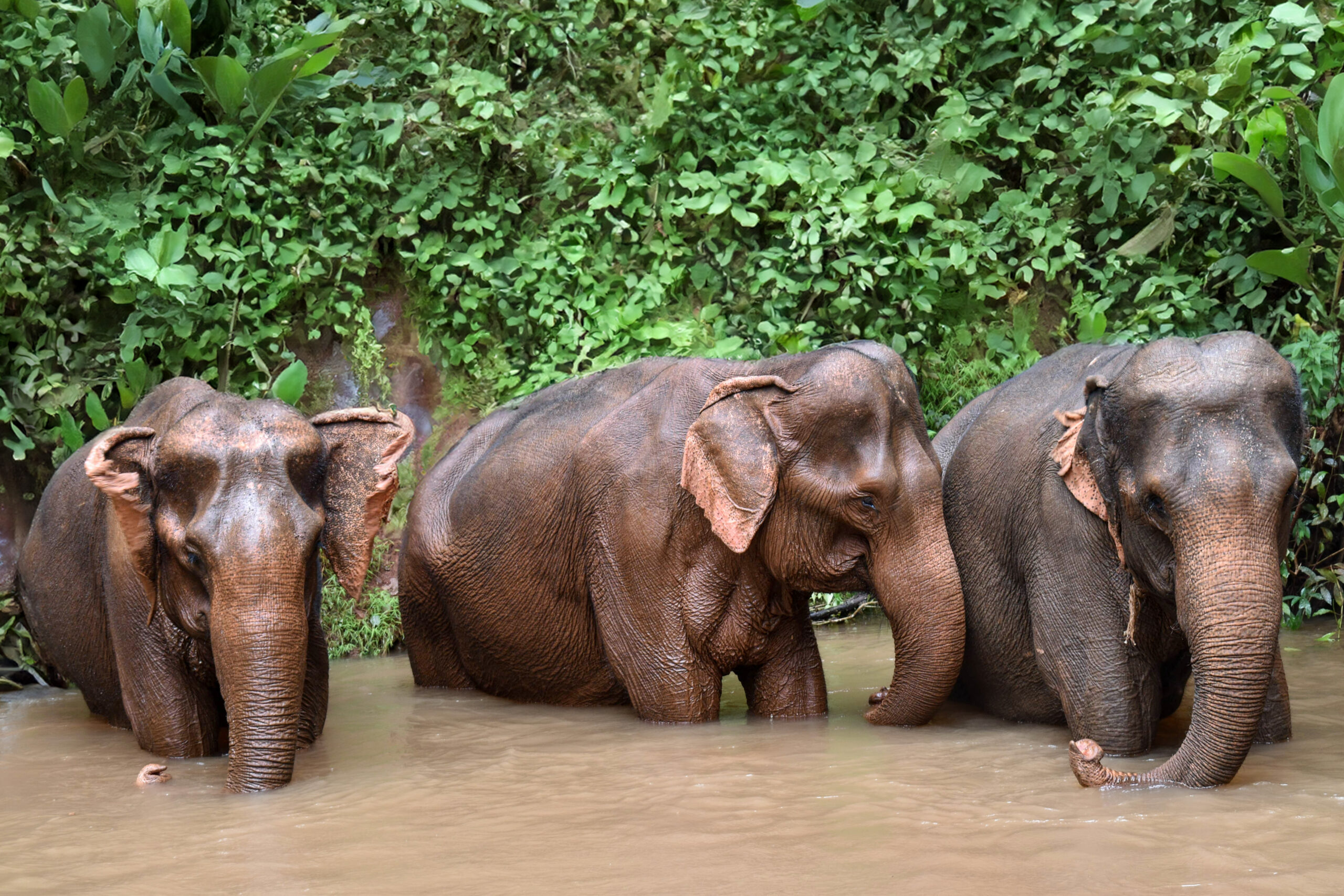
- Study elephant and gibbon behavior while engaging with conservation efforts in Cambodia’s highland forests.
- Collaborate with scientists, fishers, and Bunong leaders to turn ecological insight into restoration solutions.
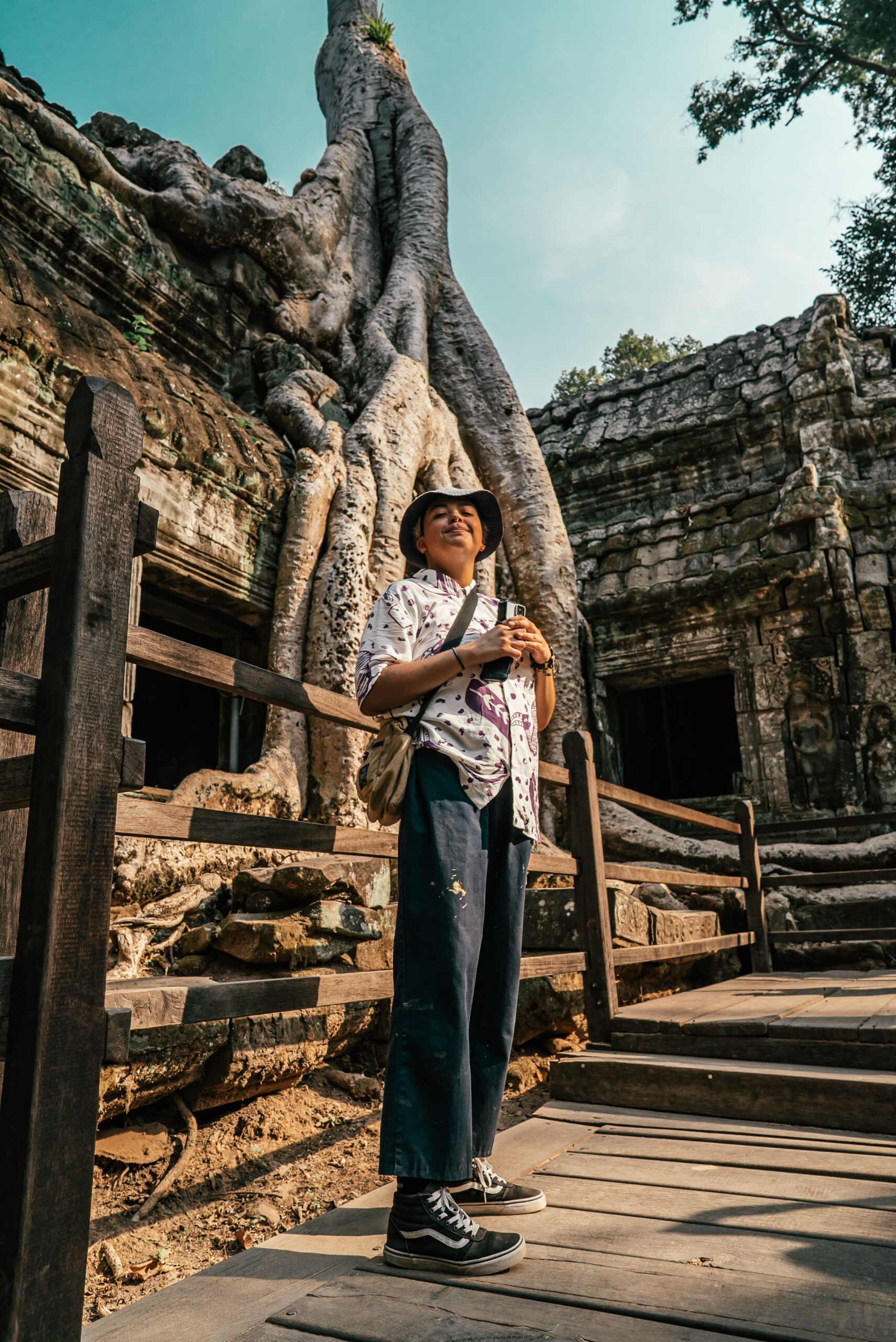
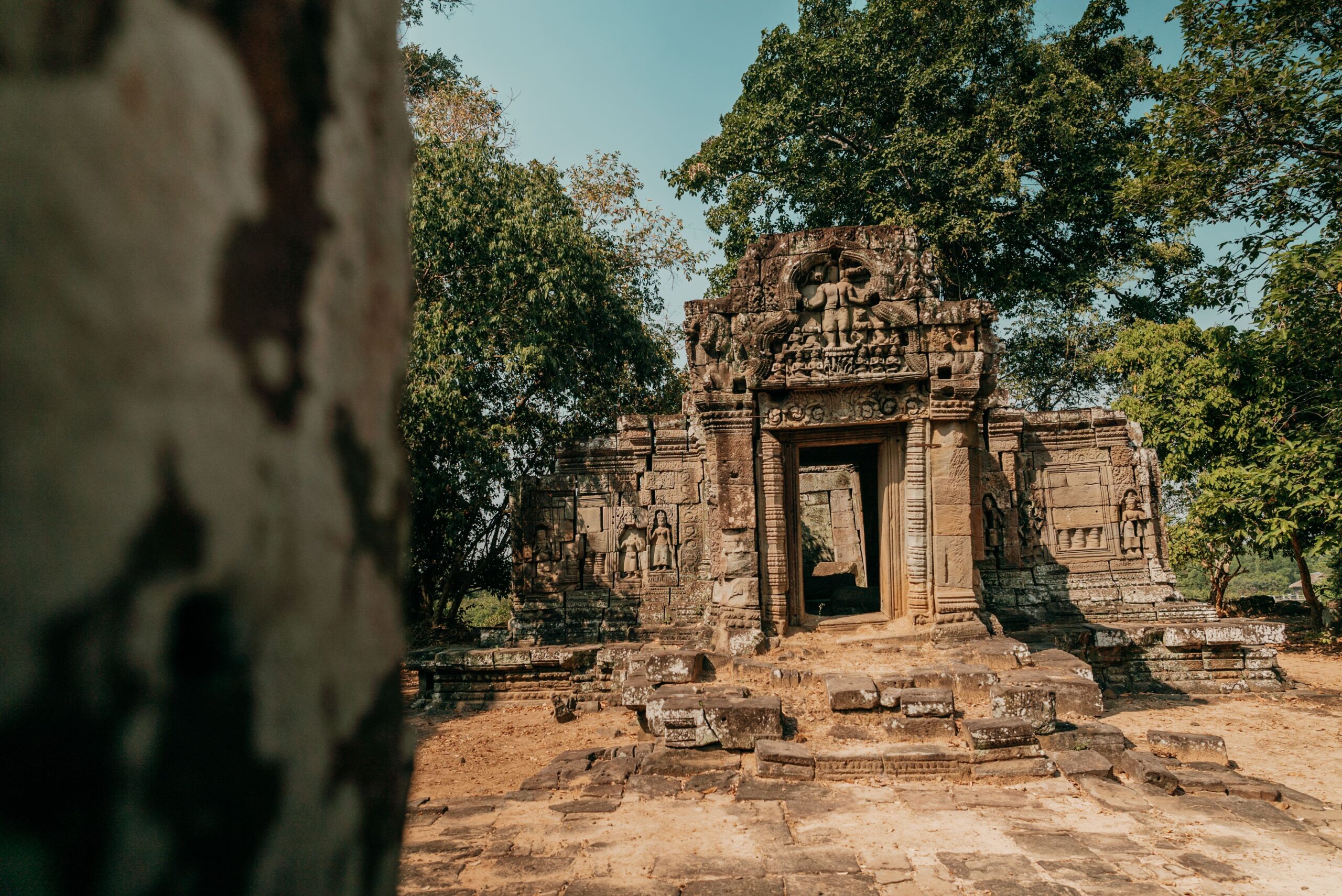
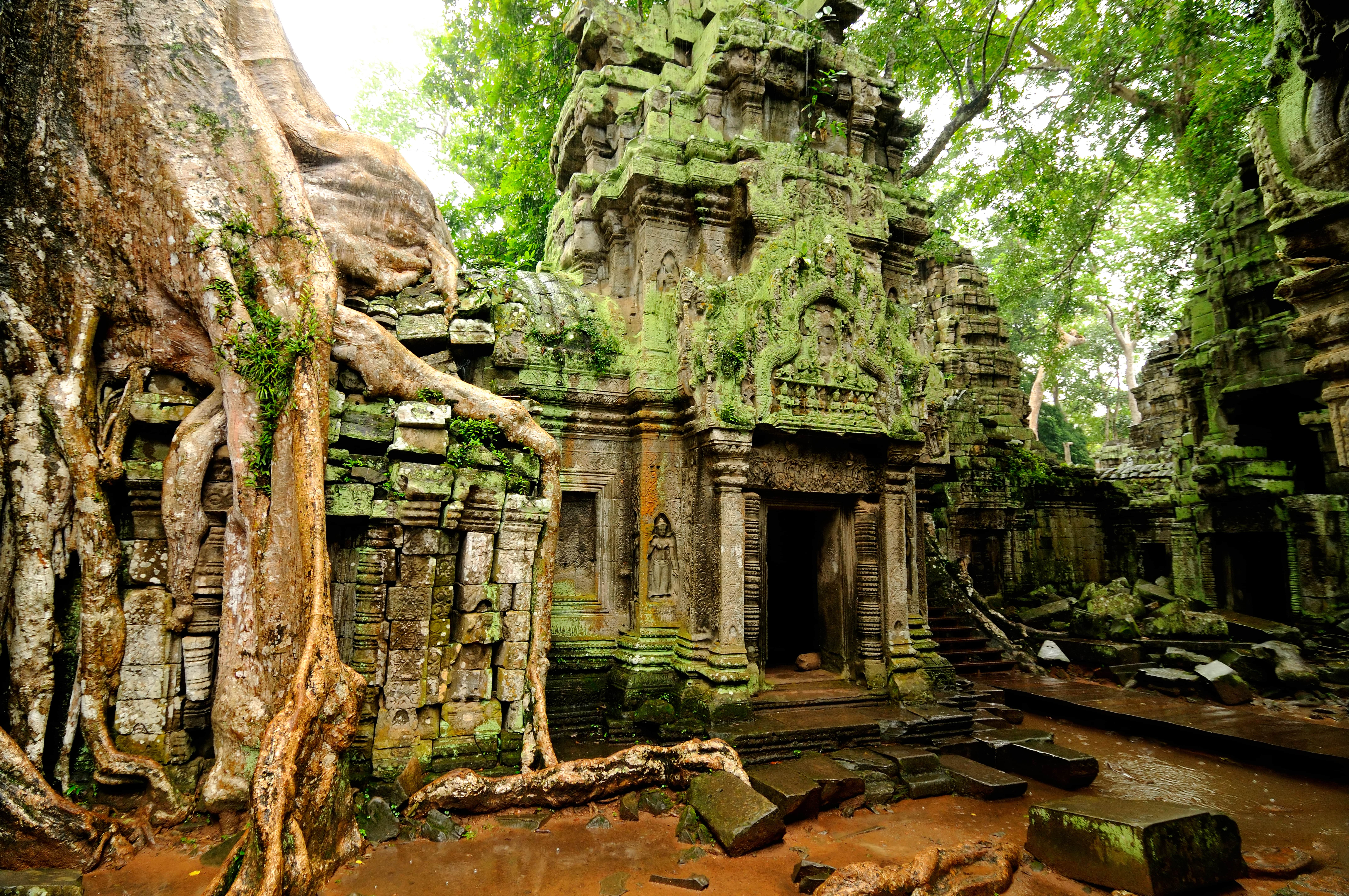
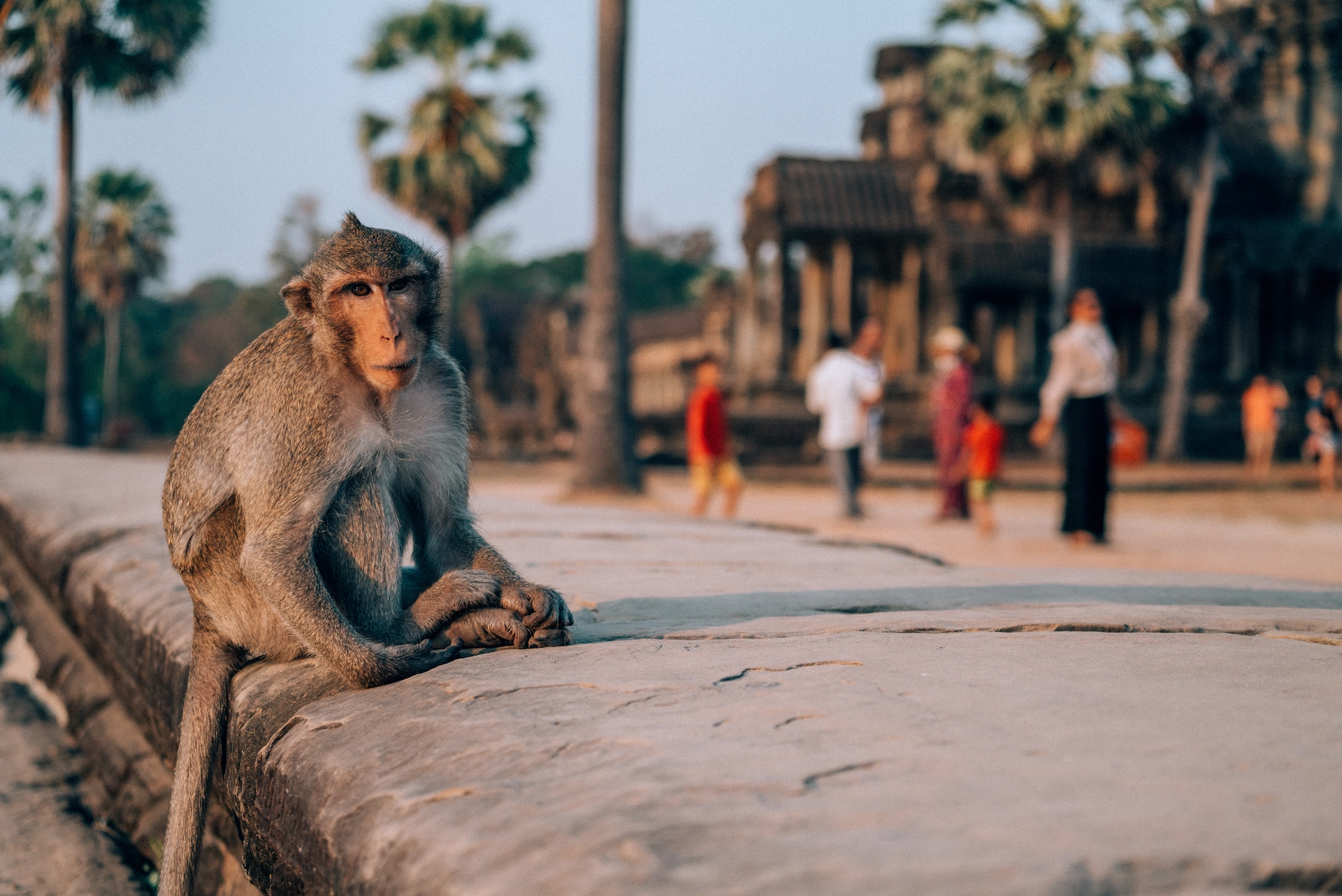
- Explore the forest temples of Angkor Wat to understand how ecology, religion, and empire shaped the Khmer world.
- Conduct Directed Research with faculty mentors, collect, analyze and interpret data, and present your findings to partners and stakeholders driving conservation decisions.
Academics
This academically rigorous program follows a six-day/week schedule. Each program combines theory learned during classroom sessions with field-based applications. The interdisciplinary curriculum is designed to help students actively discover and understand the complexities of environmental, social, and economic issues in Cambodia. Read more about the SFS program model.
Major academic themes include:
- Freshwater dynamics in river and lake landscapes
- Biodiversity conservation in freshwater and terrestrial systems
- Elephants as keystone species and ecosystem engineers
- Forest systems and human environment interactions
- Fish biology and migration drivers
- Wetland functions and forest restoration
- Mekong livelihood resilience in a changing climate
- Governance of land and aquatic resources
Courses
You will take three 4-credit disciplinary courses, one 2-credit language and culture course, and a 4-credit capstone Directed Research course. Courses are participatory in nature and are designed to foster inquiry and active learning. Each course combines lectures, field exercises, assignments, tests, and research. All courses are taught in English.
Click on the
to view a description and download the syllabus.
SFS 3811
Freshwater Ecosystems in Cambodia
4 credits
SFS 3811
Freshwater Ecosystems in Cambodia
4 credits
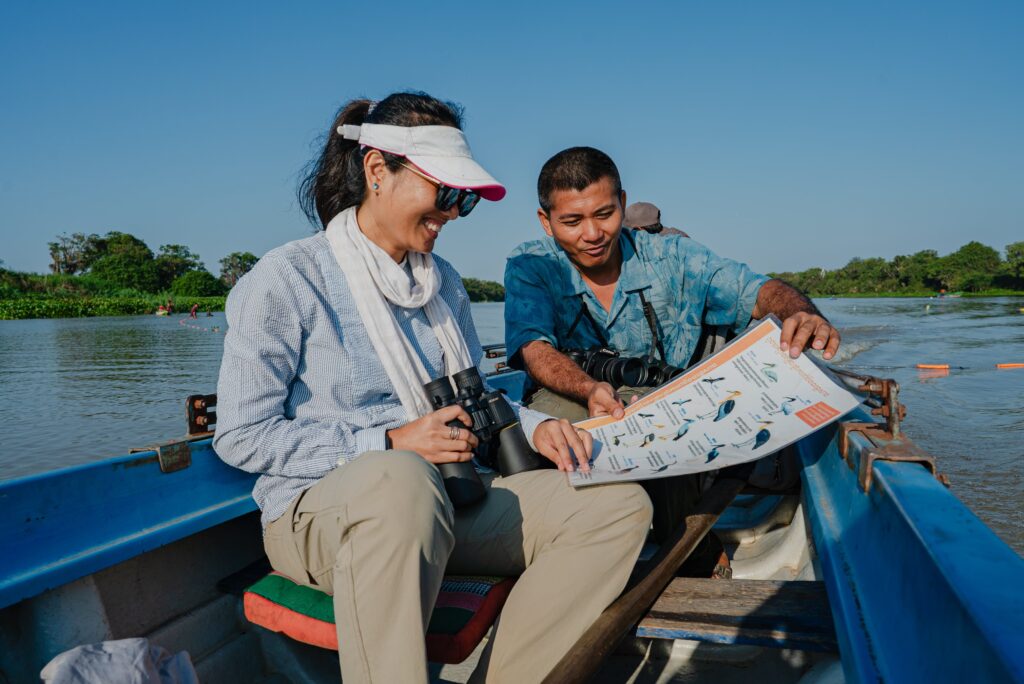
This course provides an integrated, hands-on exploration of the Mekong River, the Tonle Sap Lake, and their tributaries in Cambodia, one of the world’s most productive and unique flood-pulse ecosystems. We’ll delve into the physical, chemical, and biological forces that drive the ecosystem’s extraordinary productivity and biodiversity, focusing on the dynamic link between the river and the lake. Through extensive fieldwork, students will develop practical skills in aquatic sampling and analysis, including water quality testing, macroinvertebrate surveys, and fish population assessment. They will also gain experience with ecological monitoring techniques and participatory approaches to community-based resource research. Students will gain a deep understanding of tropical river-floodplain ecology, fisheries science, and the human-environment interactions that define the Lower Mekong Basin.
By using the Tonle Sap Lake and Mekong River as a primary study region, the course will integrate perspectives from ecology, hydrology, resource management, climate change and policy/governance as approaches that will allow us to thoroughly analyze and address the multi-faceted environmental challenges within this critical tropical freshwater system.
SFS 3820
Environmental Ethics and Development
4 credits
SFS 3820
Environmental Ethics and Development
4 credits
This course takes a pragmatic approach to environmental ethics, looking, through a variety of thematic scenarios, at how decisions relating to the environment can be made through an applied ethical lens. Following an introduction to the foundations of environmental ethics and the cultural context of Cambodia, we explore ethical problems that are pertinent to environmental studies. In particular, students in this course examine contemporary environmental dilemmas and topics as they affect Cambodia and its neighbor further down the delta, Vietnam. Students study environmental ethics in relation to economic growth and development, and consider the purpose of nature and humans’ role in managing it while still encouraging responsible development.
SFS 3801
Conservation Science and Practice in Cambodia
4 credits
SFS 3801
Conservation Science and Practice in Cambodia
4 credits
This course introduces the concepts, tools, and incentives to effect conservation of the environment and natural resources. The field of conservation is focused on protecting biological diversity—including ecosystems, species, and genetic diversity—by promoting processes, both ecological and social, that support biodiversity. The course focuses on five core themes: what biodiversity is; why biodiversity is important; threats to biodiversity; strategies for conservation; and the concept of sustainability. We explore the practical aspects of conservation using local case studies, considering the array of conservation strategies in the region, and using this lens to evaluate global concerns on a local scale.
SFS 4910
Directed Research – Cambodia
4 credits
SFS 4910
Directed Research – Cambodia
4 credits
This course prepares students to distinguish hidden assumptions in scientific approaches and separate fact from interpretation, cause from correlation, and advocacy from objectivity. Students learn specific tools including: experimental design; field techniques; basic descriptive statistics; and parametric and non-parametric quantitative analysis. Emphasis is placed on succinct scientific writing, graphic and tabular presentation of results, and effective delivery of oral presentations.
SFS 2080
Language and Culture of Cambodia
2 credits
SFS 2080
Language and Culture of Cambodia
2 credits
The Language and Culture course consists of two modules: Cambodian society and culture, and Khmer language. It offers an introduction to spoken Khmer and explores the history and culture of Cambodia. The socio-cultural module aims to immerse students in the local culture and enhance their ability to work effectively in community-based research. While the primary focus is on Cambodia, Vietnamese history is also covered due to shared politics and history. The Khmer language module focuses on beginner-level listening and oral practice to improve communication and comprehension skills in everyday situations. Both modules emphasize direct interaction with local communities through lectures, field visits, cultural events, and community outreach. Assignments include journal entries, cultural discussions, briefings, and community interactions. The Language and Culture course consists of two modules: Cambodian society and culture, and Khmer language. It offers an introduction to spoken Khmer and explores the history and culture of Cambodia. The socio-cultural module aims to immerse students in the local culture and enhance their ability to work effectively in community-based research. While the primary focus is on Cambodia, Vietnamese history is also covered due to shared politics and history. The Khmer language module focuses on beginner-level listening and oral practice to improve communication and comprehension skills in everyday situations. Both modules emphasize direct interaction with local communities through lectures, field visits, cultural events, and community outreach. Students engage in activities like overnight homestays, workshops with local students, community events, and service projects. Assignments include journal entries, cultural discussions, briefings, and community interactions.
Core Skills
You will gain practical skills in the field such as: assessing aquatic and terrestrial biodiversity, measuring water quality indices, species population monitoring and surveying, animal behavior ethograms, measuring physiological adaptations to change, conservation strategy assessments, interview methods, research design and implementation, quantitative/qualitative data collection and analysis, and scientific writing and communication.
Field Sites
You will visit different ecosystems and communities including freshwater ecosystems of the Tonle Sap Lake and Mekong River, multiple wildlife sanctuaries, fishing and farming villages, protected community forests, semi-evergreen rainforests, the ancient temple complex of Angkor, historical and cultural sites in Phnom Penh, and the bustling markets of Siem Reap.
SFS Cambodia Programs
Semester
Freshwater and Forest Ecosystems
15 Weeks
18 Credits
Fall 2026
Aug 31 - Dec 10
Open
Spring 2027
Jan 25 - May 6
Open
More Information
Program Costs
- Tuition
- Room & Board
- Total
Summer Session 2
Elephants of Southeast Asia
4 Weeks
4 Credits
Summer 2026
Jul 6 - Aug 4
Open
More Information
Program Costs
- Tuition
- Room & Board
- Total
Cambodia